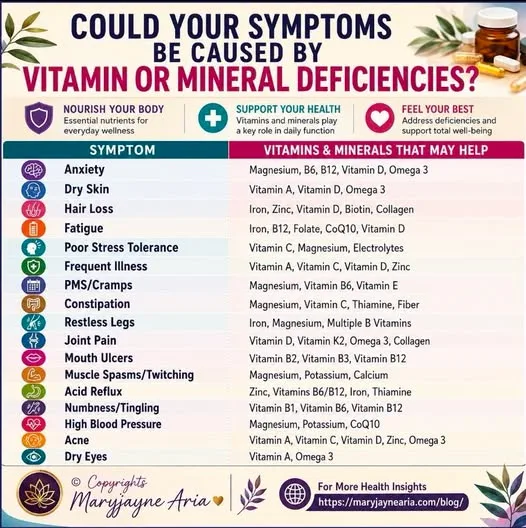
Many people live with symptoms such as fatigue, muscle cramps, anxiety, hair loss, or frequent infections without considering that nutritional deficiencies may be playing a role. While these symptoms can have many different causes and should never be used to diagnose a deficiency on their own, ensuring you have adequate vitamin and mineral intake is an important part of maintaining good health.
The chart above provides a useful starting point, but it should be viewed as general guidance rather than a diagnostic tool.
Anxiety:
Low levels of magnesium, vitamins B6 and B12, vitamin D, and omega 3 fatty acids have all been associated with mood changes in some studies. These nutrients help support the nervous system and healthy brain function.
Dry Skin:
Healthy skin relies on vitamins A and D, along with omega 3 fats, which help maintain the skin's natural barrier and moisture.
Hair Loss:
Hair thinning may be linked to deficiencies of iron, zinc, vitamin D, and biotin. Adequate protein intake is also essential because hair is primarily made of keratin. Collagen supplements may support skin health, although evidence for hair growth is less established.
Fatigue:
Persistent tiredness may be associated with low iron, vitamin B12, folate, vitamin D, or Coenzyme Q10. These nutrients are involved in red blood cell production and energy metabolism.
Poor Stress Tolerance:
Vitamin C, magnesium, and adequate electrolytes help support the body's response to physical and emotional stress.
Frequent Illness:
Vitamins A, C, D, and zinc all play important roles in maintaining normal immune function. Deficiencies may impair the body's ability to fight infections.
PMS and Menstrual Cramps:
Magnesium and vitamin B6 have been studied for reducing premenstrual symptoms in some women. Vitamin E may also provide relief for some individuals.
Constipation:
Magnesium helps relax intestinal muscles, while fibre promotes regular bowel movements. Vitamin C and thiamine may also contribute to healthy digestive function.
Restless Legs:
Iron deficiency is one of the most common causes of restless legs syndrome. Magnesium and several B vitamins also support healthy nerve and muscle function.
Joint Pain:
Vitamin D deficiency has been linked with musculoskeletal pain. Vitamin K2 supports calcium metabolism, omega 3 fatty acids may help reduce inflammation, and collagen may support cartilage health.
Mouth Ulcers:
Recurring mouth ulcers can sometimes result from deficiencies of vitamin B2, vitamin B3, vitamin B12, folate, or iron.
Muscle Spasms and Twitching:
Magnesium, potassium, and calcium are essential minerals for normal muscle contraction and nerve signalling.
Acid Reflux:
Some research suggests that deficiencies in zinc, vitamins B6 and B12, iron, or thiamine may contribute to digestive problems in certain individuals. However, acid reflux is most commonly caused by other gastrointestinal conditions, so persistent symptoms should be medically evaluated.
Numbness and Tingling:
Deficiencies of vitamins B1, B6, and particularly vitamin B12 can affect nerve function, leading to numbness, tingling, or burning sensations.
High Blood Pressure:
Magnesium and potassium help regulate blood vessel function, while CoQ10 has shown modest benefits in some studies. Lifestyle factors remain the cornerstone of blood pressure management.
Acne:
Skin health may benefit from adequate vitamins A, C, D, zinc, and omega 3 fatty acids. Acne, however, is influenced by hormones, genetics, inflammation, and skincare habits.
Dry Eyes:
Vitamin A is essential for maintaining the surface of the eye, while omega 3 fatty acids support healthy tear production.
An Important Reminder:
Although symptoms can sometimes point towards nutrient deficiencies, they are not specific. Many medical conditions can produce similar symptoms. Blood testing and professional medical evaluation remain the best way to identify true deficiencies before beginning supplementation.
A nutrient-rich diet containing vegetables, fruits, quality proteins, healthy fats, whole grains, nuts, seeds, and fermented foods provides the best foundation for good health. Supplements may be helpful when a deficiency has been confirmed or when dietary intake is insufficient.
For those undertaking a parasite cleanse, correcting vitamin and mineral deficiencies may also be important. Parasites can interfere with nutrient absorption and increase nutritional demands, making it more difficult to restore optimal health until both the underlying infection and resulting deficiencies are addressed.