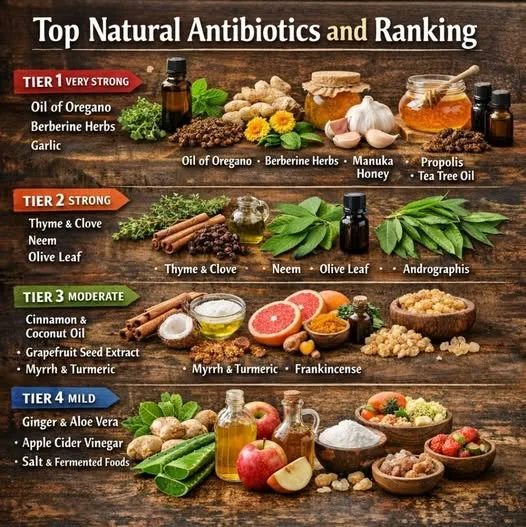
For centuries, plants, resins, minerals and natural compounds have been used to protect against infection. Long before modern pharmaceuticals, traditional systems of medicine relied on herbs, tree extracts, bee products and antimicrobial foods to manage wounds, gut disturbances, respiratory infections and skin conditions.
Today, laboratory research confirms that many of these natural substances contain bioactive compounds capable of disrupting bacterial membranes, inhibiting microbial growth, interfering with quorum sensing and supporting immune response. Some demonstrate surprisingly strong antimicrobial activity in controlled settings, while others offer milder but valuable support, especially when used early or as part of a broader terrain focused strategy.
However, strength matters. Not all natural antimicrobials are equal. Preparation method, concentration, bioavailability and correct application make a significant difference. A standardized extract is not the same as a culinary sprinkle. A topical oil is not the same as an internal protocol.
Below, you will find a structured ranking of natural antibacterial agents, organized from strongest to mildest based on documented antimicrobial potency and traditional therapeutic strength when properly prepared. This list does not replace medical treatment for serious systemic infections, but it provides a clear and practical reference for those exploring natural antimicrobial support in appropriate contexts.
RANKED FROM STRONGEST TO MILDEST ANTIBACTERIAL ACTIVITY
TIER 1
Very Strong Antimicrobial Activity
Often comparable to pharmaceutical strength in laboratory studies
1. Oil of Oregano
High in carvacrol and thymol. Potent membrane disruptor. Broad spectrum against gram positive and gram negative bacteria.
2. Berberine containing herbs
Goldenseal
Barberry
Strong activity against many bacteria, including gut pathogens.
3. Garlic, stabilized allicin extract
Crushed raw garlic releases allicin, which shows powerful broad spectrum antibacterial action.
4. Medical grade Manuka honey
High methylglyoxal content. Strong activity even against resistant strains in wound care.
5. Propolis
Bee resin rich in flavonoids. Potent antibacterial and antifungal.
6. Iodine
Very strong antimicrobial. Used medically for disinfection.
7. Tea tree oil
Strong topical antibacterial and antifungal. Not for internal use.
TIER 2
Strong but Slightly Milder
8. Thyme
High thymol content. Effective in respiratory and oral applications.
9. Clove
Rich in eugenol. Strong especially in oral infections.
10. Neem
Broad antimicrobial plant used in traditional medicine.
11. Olive leaf extract
Contains oleuropein. Antibacterial and antiviral activity.
12. Andrographis
Strong immune supportive and antimicrobial.
13. Pau d’arco
Traditional antimicrobial bark extract.
14. Colloidal silver
Antimicrobial activity, but controversial for long term use.
TIER 3
Moderate Antibacterial Support
15. Cinnamon
Effective particularly against foodborne bacteria.
16. Coconut oil
Lauric acid has antimicrobial effects, especially against certain gram positive organisms.
17. Grapefruit seed extract
Reported antimicrobial activity, quality varies widely.
18. Myrrh
Traditional antimicrobial resin.
19. Frankincense
Mild antibacterial and anti inflammatory.
20. Turmeric
Curcumin has antibacterial action but more notable for anti inflammatory effects.
21. Echinacea
Primarily immune modulating with mild antibacterial effect.
TIER 4
Mild Antibacterial or Supportive
22. Ginger
Mild direct antibacterial activity.
23. Aloe vera
Mostly topical support and wound healing.
24. Calendula
Topical antibacterial and soothing.
25. Raw onion
Mild antimicrobial compounds.
26. Apple cider vinegar
Mild antibacterial in acidic environment.
27. Sea Salt
High concentration inhibits bacterial growth.
28. Fermented foods
Indirect protection via microbiome support rather than direct antibiotic action.
Many of these natural options can be valuable when used appropriately, particularly for:
• Gut dysbiosis
• Mild urinary infections
• Oral infections
• Skin wounds
• Preventive immune strategies
• Travel support
They are tools, not magic bullets. Used intelligently, they can complement a well supported immune system and a balanced internal terrain.
Written by Maryjayne Aria



