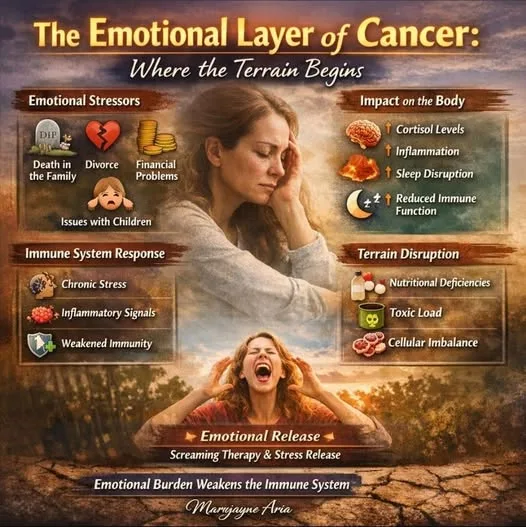
A cancer diagnosis affects far more than the body. It can change the way a person thinks, feels, relates to others, and views the future. While treatments often focus on destroying cancer cells, the emotional and psychological impact of cancer deserves just as much attention.
Many people experience a whirlwind of emotions after diagnosis. Fear, anxiety, sadness, anger, denial, guilt, and uncertainty are all common. Some worry about their family, finances, or whether they will survive. Others grieve the loss of their previous life, health, or independence.
The Emotional Journey:
Every person's experience is unique, but many patients go through stages that may include:
1. Shock and disbelief after diagnosis.
2. Anxiety about treatments and test results.
3. Depression or hopelessness during prolonged treatment.
4. Fear of recurrence, even after successful treatment.
5. Feelings of isolation, especially if others cannot fully understand what they are experiencing.
These emotions are not signs of weakness. They are natural human responses to a life-changing event.
The Mind and Body Connection:
The brain and immune system constantly communicate. Chronic stress can increase the production of stress hormones such as cortisol and adrenaline. While short-term stress is a normal survival response, prolonged stress may affect sleep, appetite, energy, and overall quality of life.
Research suggests that managing stress can improve emotional well-being, reduce anxiety, and help people cope better with treatment. Although psychological support does not cure cancer, it can make a significant difference in a person's quality of life and may improve adherence to treatment and recovery.
Common Psychological Challenges:
People living with cancer may experience:
1. Anxiety and panic attacks.
2. Depression.
3. Sleep disturbances.
4. Brain fog or difficulty concentrating.
5. Loss of confidence.
6. Changes in body image after surgery or treatment.
7. Relationship difficulties.
8. Social withdrawal.
9. Survivor's guilt.
Family members and caregivers can also experience emotional exhaustion, anxiety, and burnout.
Building Emotional Resilience
There is no single approach that works for everyone, but many people benefit from:
• Talking openly with trusted family and friends.
• Joining cancer support groups.
• Professional counselling or psychotherapy. • Mindfulness and meditation.
• Gentle exercise, as approved by a healthcare provider.
• Spending time in nature.
• Journaling thoughts and emotions.
• Maintaining hobbies and social connections.
• Good sleep habits and balanced nutrition.
Hope Matters
Hope does not mean pretending everything is fine. Hope can simply mean believing that today can be better than yesterday, finding joy in small moments, or trusting that support is available.
Many people discover remarkable resilience during their cancer journey. Some strengthen relationships, develop new priorities, or find a deeper appreciation for life. Psychological healing is not about eliminating fear. It is about learning to live alongside uncertainty while continuing to move forward.
Supporting Someone with Cancer
If someone you love has cancer:
• Listen more than you speak.
• Avoid offering false reassurance.
• Let them express fear without judgement.
• Offer practical help with meals, transport, or daily tasks.
• Stay connected, even if you do not know what to say.
• Encourage professional emotional support when needed.
Sometimes the greatest gift is simply being present.
Cancer is not only a physical illness. It is an emotional, psychological, and social experience that affects every aspect of life. Addressing mental health alongside medical treatment can improve quality of life, strengthen resilience, and help patients and families navigate one of life's greatest challenges.
No one should have to face cancer alone. Seeking emotional support is not a sign of weakness. It is an important part of comprehensive cancer care.
Written by Maryjayne Aria