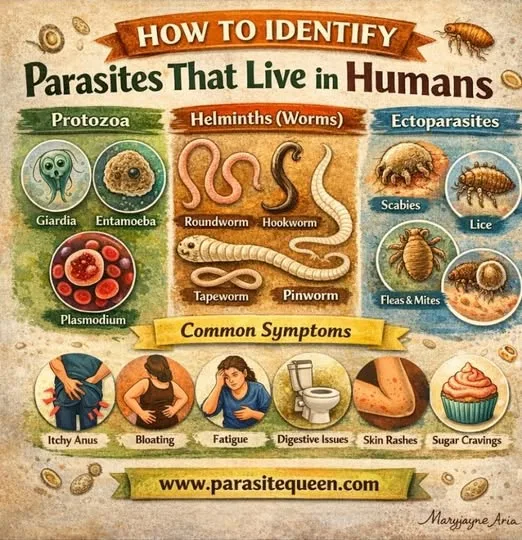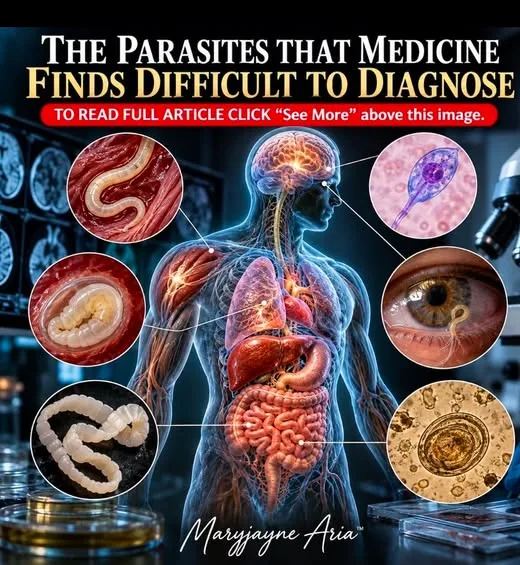
The more I study parasites, the more determined I become to investigate the questions surrounding their diagnosis. I keep coming back to one fundamental question: are we always looking in the right place, and are we using the right methods to find what we suspect may be there? I believe we need to look beyond the familiar assumption that parasites are simply intestinal worms that can be detected through a routine stool test. The reality is considerably more complex. Different parasites have different life cycles, occupy different locations within the human body, and require different diagnostic approaches. Some can inhabit the intestine, others can establish themselves in muscle tissue or internal organs, and certain species can affect the eyes, skin, bloodstream, or central nervous system. These are established scientific facts, and I want people to understand their significance. When I investigate parasites, I want to know how they develop, where they live, how they affect the body, and what evidence is needed to establish their presence. I am particularly interested in understanding why certain infections require specialised investigations and what a negative result actually tells us. I believe asking these questions is essential if we want to develop a more informed understanding of parasitic diseases.
WHY I BELIEVE WE NEED TO LOOK BEYOND ROUTINE TESTING: One of the most important issues I want people to understand is that there is no single test capable of detecting every parasitic infection. A stool examination can identify certain intestinal parasites, but it cannot be expected to detect every parasite that may affect muscle tissue, the bloodstream, or an internal organ. Depending on the suspected infection, investigations may require specific blood tests, antigen detection, molecular testing, medical imaging, or, in selected circumstances, examination of tissue. This is why I believe we need to be precise when discussing parasite testing. When someone tells me they have tested negative, I want to understand which parasites were investigated, what specimen was examined, and which methods were used. Was the test appropriate for the suspected infection? Was the particular organism included in the investigation? These are reasonable questions because different diagnostic methods detect different targets. I am not suggesting that routine tests are useless or that negative results should automatically be dismissed. I want people to understand what their results actually mean and whether the investigation addressed the particular infection being considered. There is an important difference between a test not detecting its target and proving that every possible parasitic infection has been excluded.
PARASITES THAT CAN OCCUPY MUSCLE TISSUE: Muscle tissue is an important example of why understanding parasite biology matters. Trichinella species can cause trichinellosis, an infection associated with eating raw or undercooked meat containing infective larvae that subsequently establish themselves in skeletal muscle. Taenia solium, the pork tapeworm, provides another example because its larval stage can form cysts in tissues, including muscle, causing cysticercosis. These are different infections with different biological characteristics, and understanding their life cycles is essential when considering how they are diagnosed. A routine stool examination cannot be expected to identify every infection involving a parasite's larval stage in tissue. Depending on the suspected disease, investigations may involve exposure history, specific antibody testing, imaging, and, in selected circumstances, tissue examination. What interests me is understanding how these organisms enter the body, where their different life stages develop, and what evidence can establish their presence. I want to examine the science behind these infections rather than rely on assumptions about where parasites live. At the same time, muscle pain, weakness, and inflammation have many possible causes, so symptoms alone cannot establish a parasitic infection. The important question is whether the person's history, clinical findings, and appropriate investigations support that diagnosis.
WHEN PARASITES AFFECT THE BRAIN: The ability of certain parasites to affect the brain is another subject I believe deserves serious attention. Neurocysticercosis occurs when the larval stage of Taenia solium affects the central nervous system and can cause seizures and other neurological complications. Toxoplasma gondii can also affect the brain, particularly in people with significantly weakened immune systems. These recognised infections demonstrate why diagnosis sometimes requires investigations beyond routine stool testing. Depending on the circumstances, doctors may use brain imaging, specific blood tests, and other specialised investigations to determine whether a parasite is responsible. When I research these conditions, I want to understand how the diagnosis is reached, what evidence supports it, and how clinicians distinguish a parasitic infection from other possible causes. The location of the suspected infection matters because the diagnostic methods must be appropriate for the condition being investigated. However, neurological symptoms and abnormalities on brain imaging can have many different causes, and they must not automatically be attributed to parasites. I believe the most useful approach is to understand what these organisms are capable of doing, what the available evidence shows, and what is required to establish a diagnosis.
PARASITES THAT AFFECT THE EYES AND SKIN: I also want people to understand that certain parasitic infections can affect the eyes and skin, sometimes requiring specialist investigations rather than routine laboratory testing alone. Some filarial worms can inhabit tissues beneath the skin, while other parasites can affect ocular tissues. Cysticercosis can also involve the eyes and may threaten vision. The appropriate diagnostic approach depends on the suspected organism, the location involved, and the evidence available. It may include a specialist eye examination, specific blood testing, or direct identification of an organism where appropriate. I believe understanding these differences is important because a diagnostic method suitable for one parasitic infection may not be appropriate for another. At the same time, unexplained itching, unusual skin sensations, marks, or eye symptoms do not automatically indicate parasites, because many other conditions can produce similar complaints. What matters is determining whether the symptoms, exposure history, examination findings, and test results support a particular diagnosis. I want people to become better informed about the different ways parasites can affect the human body while understanding why accurate diagnosis requires evidence rather than assumptions.
PARASITES THAT AFFECT THE LIVER, LUNGS, AND OTHER ORGANS: The more closely I examine the different ways parasites interact with the human body, the more important it becomes to understand the relationship between an organism's life cycle and the location of infection. Echinococcus species can cause hydatid disease, in which cysts develop in organs such as the liver and lungs. Other parasites can migrate through tissues or establish themselves in particular organs during their life cycles. Investigations may involve medical imaging, exposure history, specific antibody testing, and specialist assessment. These methods provide different forms of evidence, and their results must be interpreted together. An abnormality on a scan does not automatically establish a parasitic cause, while a positive antibody result does not necessarily prove that an infection is currently active. When I investigate these subjects, I want to understand what the findings actually demonstrate and what additional evidence may be needed. If a cyst is identified, its possible causes must be investigated. If a blood test indicates exposure to a parasite, the significance of that result must be considered in the clinical context. I believe these questions encourage a more precise understanding of parasitic diseases and the methods used to diagnose them.
WHY A SINGLE STOOL TEST MAY NOT DETECT EVERY INTESTINAL PARASITE: Stool testing deserves particular attention because many people assume that one examination can identify every intestinal parasite. In reality, some parasites are shed intermittently, meaning that eggs, cysts, or other diagnostic stages may not be present in every specimen. For certain suspected infections, examining multiple stool specimens collected on separate days can improve the likelihood of detection. The laboratory method also matters because microscopy, antigen testing, and molecular testing detect different biological targets. Some parasites require specialised methods that may not be included in a general stool examination. This is why I believe it is important to understand precisely what an investigation was designed to detect. Was the suspected organism included? Were additional specimens indicated? Would a specific antigen or molecular test be appropriate? These are reasonable questions to discuss with a healthcare professional when symptoms persist and the clinical history supports further investigation. However, persistent digestive symptoms can have many causes unrelated to parasites, and repeated testing without a clear clinical reason may not be helpful. I want people to understand that the words stool test do not describe one universal investigation capable of detecting every intestinal parasite.
WHAT I WANT PEOPLE TO UNDERSTAND ABOUT NEGATIVE RESULTS: This is one of the most important subjects I want to address because the meaning of a negative result depends on the investigation performed. A negative test means that the method did not detect its target under the conditions in which it was used, but what that tells us about the possibility of infection depends on the test's accuracy, the organism being investigated, the specimen collected, and the stage of infection. A negative stool examination, for example, cannot exclude every parasite capable of affecting muscle tissue or internal organs. However, I would not dismiss a properly performed negative result simply because someone continues to experience unexplained symptoms. Persistent symptoms do not automatically indicate a parasitic infection, and negative findings can provide important evidence against the diagnosis being considered. The question is whether the investigation was appropriate and whether the overall clinical evidence justifies further testing. If a healthcare professional believes the suspicion remains medically reasonable, they may consider repeat sampling, another diagnostic method, or referral to a specialist. I believe patients deserve clear explanations of what their results mean, which infections have been investigated, and whether further investigation is warranted. We should neither assume that one test has ruled out every conceivable parasite nor conclude that parasites must be responsible whenever the cause of an illness remains uncertain.
THE QUESTIONS I KEEP COMING BACK TO IN MY RESEARCH: When I study parasites, I want to understand far more than their names and the diseases associated with them. I want to understand their life cycles, how they enter the human body, where their different developmental stages occur, which tissues they can affect, and how their presence can be established. I want to understand why one diagnostic method may be suitable for a particular organism but not another, and how the limitations of testing influence the interpretation of results. When a parasitic infection is suspected, I believe it is reasonable to ask which organism is being considered, what evidence supports that suspicion, and which investigation is best suited to detecting it. Exposure history, symptoms, timing, and clinical findings all matter. If the initial investigation is negative, the next step should depend on the evidence rather than fear or speculation. I also believe alternative explanations must be considered because the aim is to identify the actual cause of illness, not simply find a condition that appears to fit a list of symptoms. These are the questions that keep me interested in parasite research. I want to examine the science, understand the diagnostic methods, and explore where further investigation may be justified. I believe informed discussion begins when we move beyond general statements and start examining the details that determine whether a particular infection can be identified.
MY CONCLUSION: I WANT US TO ASK BETTER QUESTIONS: The more I study parasites, the more convinced I become that understanding their biology is essential to understanding their diagnosis. Different parasites have different life cycles, occupy different locations within the human body, and require different methods of detection. Some affect the intestine, others can establish themselves in muscle tissue or organs, and certain infections can involve the eyes or central nervous system. There is no single test capable of detecting every parasitic infection, and the meaning of a negative result depends on the particular investigation performed. These are the facts I want people to understand. I want us to look more closely at the organisms themselves, investigate how they behave, and understand the evidence required to establish whether they are responsible for an illness. I do not believe we should automatically accept assumptions simply because they sound convincing, and I do not believe we should dismiss a reasonable medical concern without understanding the evidence behind it. Both approaches can prevent us from reaching an accurate conclusion. My interest is in asking questions, examining the science, and encouraging a more informed conversation about parasites and human health. I want people to understand what diagnostic tests can establish, where their limitations lie, and when a different investigation may be appropriate. Meaningful investigation must always be guided by evidence, and that is the approach I want to encourage in everyone who follows my research.
I WANT TO HEAR YOUR EXPERIENCES.
Have you ever investigated the possibility of a parasitic infection after experiencing persistent or unexplained symptoms? Were appropriate tests offered, and did you receive a clear explanation of the results? I would be interested to hear your experiences and the questions they raised for you, add to comments. Personal accounts can highlight subjects that deserve further investigation, and sharing experiences can help others become more informed about the different ways parasitic infections are investigated.
Please share this article to increase awareness and encourage a wider discussion about parasites and human health. If you would like to explore the subject further with others who share an interest in parasite awareness, you are welcome to join my Parasite Queen group: https://www.facebook.com/groups/711577811230403/
Copyright © Maryjayne Aria