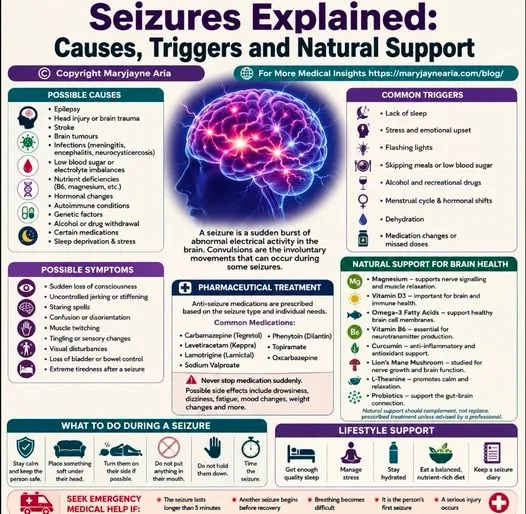
Seizures Explained: Causes, Treatments and Natural Support
A seizure is a sudden burst of abnormal electrical activity in the brain that temporarily disrupts normal brain function. A convulsion is the involuntary muscle movement that may occur during some seizures. While all convulsions are caused by seizures, not all seizures involve convulsions.
The brain depends on billions of nerve cells communicating through electrical signals. When these signals become disrupted, a seizure can occur.
Common Symptoms:
• Sudden loss of consciousness
• Uncontrolled jerking or stiffening of the body
• Blank staring episodes
• Confusion or disorientation
• Muscle twitching
• Temporary loss of bladder or bowel control
• Tingling sensations
• Visual disturbances
• Unusual smells or tastes
• Extreme fatigue following a seizure
Possible Causes:
• Epilepsy
• Head injury or brain trauma
• Stroke
• Brain tumours
• High fever, particularly in young children
• Meningitis or encephalitis
• Neurocysticercosis and other infections affecting the brain
• Low blood sugar
• Low sodium, calcium or magnesium
• Vitamin B6 deficiency
• Sleep deprivation
• Severe emotional stress
• Alcohol or drug withdrawal
• Certain medications
• Hormonal fluctuations
• Genetic disorders
• Autoimmune diseases affecting the nervous system
In many cases, no definite cause is identified.
Pharmaceutical Treatment:
Doctors prescribe anti-seizure medications based on the seizure type, medical history and individual needs.
Common medications include:
• Carbamazepine (Tegretol)
• Levetiracetam (Keppra)
• Lamotrigine (Lamictal)
• Sodium Valproate
• Phenytoin (Dilantin)
• Topiramate
• Oxcarbazepine
Side effects:
• Drowsiness
• Dizziness
• Fatigue
• Blurred or double vision
• Mood changes
• Memory difficulties
• Weight gain or weight loss
• Liver or blood abnormalities with certain medications
Never stop seizure medication suddenly, as this may trigger severe or prolonged seizures.
Natural Products That May Support Brain Health
Cannabidiol (CBD) and Seizures
• Cannabidiol (CBD), a non-intoxicating compound found in cannabis, has been extensively studied for its potential to reduce seizures in certain forms of epilepsy. Researchers believe CBD helps stabilise abnormal electrical activity in the brain, reduce inflammation and protect nerve cells from damage.
• Magnesium supports healthy nerve signalling and muscle relaxation.
• Vitamin D3 supports normal brain and immune function.
• Omega-3 fatty acids help maintain healthy brain cell membranes.
• Vitamin B6 is essential for neurotransmitter production.
• Curcumin has antioxidant and anti-inflammatory properties.
• Lion's Mane mushroom is being studied for nerve growth and brain health.
• L-Theanine may promote relaxation without causing drowsiness.
• Probiotics may support the gut-brain connection and neurological health.
Lifestyle Measures:
• Get adequate sleep.
• Reduce stress.
• Stay hydrated.
• Eat a nutrient-rich diet.
• Avoid excessive alcohol and recreational drugs.
• Take medications exactly as prescribed.
• Keep a seizure diary to identify triggers.
Seizure First Aid:
• Stay calm.
• Protect the person from injury.
• Move nearby objects away.
• Place something soft under their head.
• Turn them onto their side when possible.
• Do not restrain them.
• Do not place anything in their mouth.
• Time the seizure.
Call emergency medical services if:
• The seizure lasts longer than five minutes.
• Another seizure starts before recovery.
• Breathing becomes difficult.
• It is the person's first seizure.
• A serious injury occurs.
Final Thoughts:
Seizures are complex neurological events with many possible causes. Early diagnosis and appropriate medical care remain the foundation of treatment. Alongside conventional therapy, maintaining good nutrition, reducing stress, correcting nutrient deficiencies and supporting overall brain health may help improve quality of life.
Copyright Maryjayne Aria
Author of Immune Health, Terrain and GcMaf
Feel free to share this post but not crop or change it.