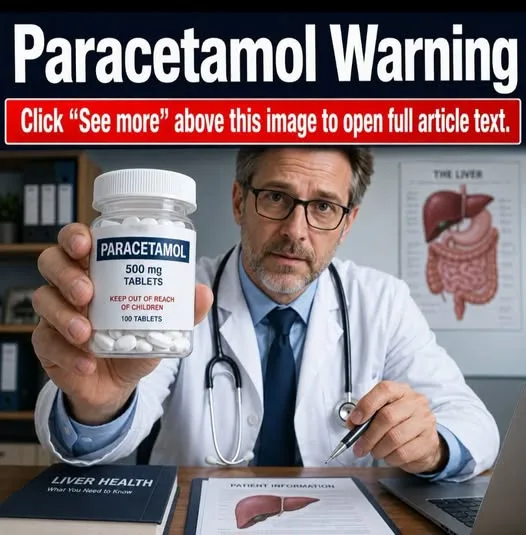
Paracetamol is one of the most widely used medicines in the world. It is found in countless homes, prescribed by doctors, sold over the counter, and commonly used for headaches, fever, muscle pain, dental pain and many other everyday symptoms. Because paracetamol is so familiar and easily available, many people assume that it is completely harmless. However, familiarity should never be confused with an absence of risk. When used correctly and according to the recommended dose, paracetamol can be an effective medicine for managing pain and fever. Taking too much, however, can cause severe and potentially life-threatening liver damage. One of the greatest concerns is that an overdose may not always cause immediate symptoms, meaning a person may initially feel relatively well while serious liver injury is developing.
PARACETAMOL IS FOUND IN MORE PRODUCTS THAN MANY PEOPLE REALISE: One of the biggest risks associated with paracetamol is accidental duplication. Paracetamol may be present in medicines marketed for colds, flu, headaches, migraines, pain relief and other conditions. A person may take a paracetamol tablet and later take a cold and flu remedy without realising that both products contain the same active ingredient. This can result in the total amount consumed exceeding the recommended daily dose. The widespread availability of combination medicines makes it particularly important to read labels carefully and identify all active ingredients before taking more than one product. UK medicines safety guidance warns about the risk of taking multiple medicines containing paracetamol at the same time unless this has been specifically advised by a healthcare professional.
WHY TOO MUCH PARACETAMOL CAN DAMAGE THE LIVER: The liver processes paracetamol and normally converts most of it into substances that can be safely removed from the body. However, when excessive amounts are taken, the body's normal protective pathways can become overwhelmed. A toxic metabolite can then accumulate and damage liver cells. In severe cases, poisoning can lead to acute liver failure and may result in death or the need for a liver transplant. Paracetamol toxicity remains an important cause of acute liver injury, particularly when people unintentionally take excessive amounts over time or combine multiple medicines containing the same ingredient. The risk is not limited to people who intentionally take a large overdose, as accidental misuse and repeated excessive dosing can also result in serious harm.
THE DANGER OF REPEATED EXCESSIVE DOSES: Many people think an overdose only occurs when someone takes a very large number of tablets at one time. However, repeated excessive doses over several days can also be dangerous. This may happen when someone is suffering from persistent pain, fever or another illness and takes additional tablets because the recommended dose does not appear to provide enough relief. It can also occur when different medicines are taken throughout the day without carefully checking their ingredients. A person may therefore exceed the recommended total dose without consciously recognising that they have done so. This is one reason why it is important to keep track of every medicine taken during a 24-hour period and to seek professional advice rather than increasing the dose when symptoms continue.
ALCOHOL AND OTHER HEALTH FACTORS CAN MATTER: The effects of paracetamol are not necessarily identical for every person. Liver health, nutritional status, alcohol consumption, body weight and certain medical conditions may influence how the body processes medicines. People with liver disease, those who regularly consume significant amounts of alcohol or individuals with other factors that may affect liver function should seek individual medical advice before using paracetamol regularly. This does not mean that everyone who drinks alcohol or has a health condition will experience paracetamol toxicity. Rather, it highlights the importance of recognising that medicine safety can depend on individual circumstances and that a general dose recommendation may not account for every person's health status or other medicines they are taking.
FEELING WELL DOES NOT ALWAYS MEAN EVERYTHING IS FINE: One of the most important warnings surrounding paracetamol overdose is that serious liver damage may initially develop without dramatic symptoms. A person who has taken too much may not immediately realise that an emergency is developing and may feel relatively well during the early stages. Possible symptoms of paracetamol poisoning can include nausea, vomiting, abdominal discomfort and loss of appetite, while more serious signs associated with liver injury may develop later. However, symptoms alone should never be used to determine whether an overdose is serious. Anyone who believes they may have taken more paracetamol than recommended should seek urgent medical advice, even if they do not currently feel unwell, because early medical assessment can be critically important.
PARACETAMOL AND PREGNANCY: Paracetamol has received considerable public attention in relation to pregnancy, particularly because of claims and discussions circulating online about possible developmental effects. Public discussion should remain focused on the quality of available scientific evidence rather than fear or speculation. Current UK medicines guidance continues to recognise paracetamol as an option for managing pain and fever during pregnancy when used appropriately and according to professional advice. At the same time, pregnant women should discuss individual circumstances, persistent symptoms and concerns about medicine use with their doctor, midwife or pharmacist. Significant pain, fever or illness should not simply be ignored because of alarming claims online, as untreated medical conditions can also present risks during pregnancy.
THE IMPORTANCE OF READING THE ACTIVE INGREDIENTS: Brand names can be confusing because two medicines may have completely different names, packaging and marketing while containing the same active ingredient. For this reason, checking the active ingredients on every medicine label is an essential part of using medicines safely. People should look for paracetamol listed as an active ingredient, check the amount contained in each tablet, capsule or liquid dose, follow instructions regarding how frequently the medicine can be taken and pay particular attention to warnings about combining products. Cold and flu remedies may contain several active ingredients, including paracetamol, and this can increase the risk of accidental duplication. When there is uncertainty about whether two products can safely be taken together, a pharmacist can help identify the ingredients and explain whether there is a potential risk.
MORE MEDICINE DOES NOT NECESSARILY MEAN MORE RELIEF: When pain, fever or other symptoms persist, increasing the amount of medicine without professional advice is not necessarily the safest or most effective response. Persistent or worsening symptoms can sometimes be a signal that the underlying cause needs further investigation. Repeatedly increasing painkiller use may temporarily suppress symptoms while delaying recognition of the condition responsible for them. Pain that is severe, unexplained, persistent or associated with other concerning symptoms should be medically assessed. The goal should not simply be to continue increasing medication in an attempt to obtain greater relief, but to understand why symptoms are continuing and whether another approach or further investigation is needed.
THE BIGGER PUBLIC HEALTH LESSON: Paracetamol is a useful medicine, but its familiarity can create a false sense of security. The fact that a medicine is available without a prescription does not mean that unlimited amounts are safe. Over-the-counter medicines can have significant biological effects, interactions and risks, particularly when several products are taken together or when recommended doses are exceeded. The safest approach is informed use, which means following the instructions on the product, checking every medicine for active ingredients, avoiding accidental duplication, not exceeding the recommended dose and seeking professional advice when symptoms persist. Anyone who may have taken too much paracetamol should seek urgent medical advice, even if they currently feel well.
THE BOTTOM LINE: Paracetamol has been used safely by millions of people for many years when taken as directed. The concern is not that everyone who takes paracetamol is in danger, but that its widespread availability and familiarity can make people less aware of the potential consequences of excessive doses and accidentally combining multiple products containing the same active ingredient. Knowledge is not about creating unnecessary fear. It is about helping people recognise that every medicine has benefits, limitations and potential risks. The more informed people are about what they are taking, how much they are taking and what other ingredients may be present in combination medicines, the better equipped they are to make safer decisions for themselves and their families. Persistent symptoms should also be investigated rather than simply suppressed with increasingly frequent medication, because understanding the underlying cause is often an important part of making informed healthcare decisions.
Please share this information without making any changes to help increase awareness