Leaky Gut: The Hidden Driver Behind Inflammation and Immune Imbalance?
Leaky Gut Syndrome: Understanding the Causes, Symptoms, Diet, Natural Support, and the Role of GcMAF
The health of your digestive system plays a central role in your overall wellbeing. Your gut is responsible for absorbing nutrients, supporting your immune system, producing vitamins, communicating with your brain, and acting as a barrier against harmful microorganisms and toxins.
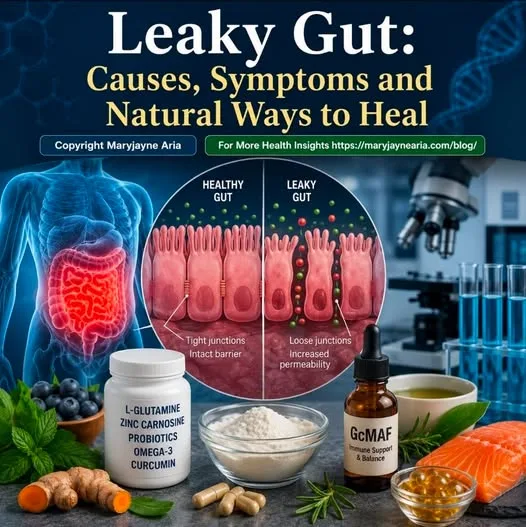
When this protective barrier becomes damaged, it may become excessively permeable, a condition commonly referred to as "leaky gut." The scientific term is increased intestinal permeability.
Although increased intestinal permeability is well documented in medical research and is associated with several diseases, "leaky gut syndrome" itself remains a topic of ongoing research and is not currently recognized as a formal medical diagnosis by all healthcare organizations. Nevertheless, there is growing evidence that impaired gut barrier function may contribute to chronic inflammation and numerous health conditions.
What Is the Gut Barrier?
The lining of your intestines consists of a single layer of tightly connected cells. These cells are held together by structures known as tight junctions.
This barrier has several important jobs:
• Allows nutrients, vitamins, minerals, and water to enter the bloodstream.
• Prevents bacteria, parasites, viruses, toxins, and undigested food particles from entering the circulation.
• Helps regulate immune responses.
• Supports a healthy gut microbiome.
When the tight junctions become damaged, unwanted substances may pass into the bloodstream, potentially triggering inflammation and immune activation.
What Causes Leaky Gut?
Many different factors may contribute to increased intestinal permeability.
Poor Diet:
A diet high in:
• Refined sugar
• Ultra processed foods
• Artificial additives
• Excess alcohol
• Refined vegetable oils may damage the intestinal lining over time.
Chronic Stress:
Long-term stress increases cortisol, which may alter gut bacteria, reduce digestive function, and weaken the intestinal barrier.
Gut Dysbiosis:
An imbalance between beneficial and harmful bacteria may contribute to inflammation and damage to the intestinal lining.
Parasites:
Intestinal parasites may irritate the gut wall, produce inflammatory toxins, damage the intestinal lining, alter the microbiome, and increase intestinal permeability. Treating confirmed parasitic infections may help restore gut health.
Certain Medications:
Frequent use of:
• NSAID painkillers such as ibuprofen
• Antibiotics
• Steroids
• Certain chemotherapy drugs may increase intestinal permeability in susceptible individuals.
Food Sensitivities:
Some individuals react to foods such as gluten or dairy, resulting in chronic intestinal inflammation.
Chronic Infections:
Certain bacterial, viral, fungal, or parasitic infections may contribute to damage of the intestinal lining.
Environmental Toxins:
Heavy metals, pesticides, mould toxins, and environmental pollutants may increase oxidative stress and inflammation within the digestive tract.
Common Symptoms:
Symptoms vary considerably between individuals.
Possible symptoms include:
• Bloating
• Gas
• Constipation
• Diarrhoea
• Food sensitivities
• Fatigue
• Brain fog
• Skin conditions
• Joint pain
• Headaches
• Poor concentration
• Frequent infections
• Autoimmune disorders
• Nutrient deficiencies
• Chronic inflammation
Conditions Associated With Increased Intestinal Permeability
Research has found associations between increased intestinal permeability and:
• Inflammatory bowel disease
• Coeliac disease
• Irritable bowel syndrome
• Type 1 diabetes
• Rheumatoid arthritis
• Psoriasis
• Multiple sclerosis
• Non alcoholic fatty liver disease
• Obesity
• Metabolic syndrome
While increased permeability is linked with these conditions, it is not always clear whether it is a cause, a consequence, or both.
Natural Products That May Support Gut Healing.
Many natural compounds have been studied for their ability to support the intestinal barrier.
L-Glutamine
Glutamine is the primary fuel source for intestinal cells and may help maintain the integrity of the gut lining.
Zinc Carnosine
Research suggests zinc carnosine may help repair damaged intestinal tissue and reduce inflammation.
Probiotics
Beneficial bacteria may help restore a healthy microbiome, strengthen the gut barrier, and reduce inflammation.
Look for products containing:
• Lactobacillus species
• Bifidobacterium species
Prebiotics
These fibres nourish beneficial bacteria.
Examples include:
• Chicory root
• Garlic
• Onion
• Leeks
• Jerusalem artichokes
Slippery Elm
Traditionally used to soothe irritated digestive tissues.
Marshmallow Root
Contains mucilage that may help coat and soothe the digestive tract.
Aloe Vera
May help calm irritation in some individuals. Use products specifically intended for internal use.
Deglycyrrhizinated Licorice (DGL)
May support healing of the stomach and intestinal lining.
Omega 3 Fatty Acids
Found in oily fish and fish oil, omega 3 fats help reduce inflammation.
Curcumin
The active ingredient in turmeric has well documented anti inflammatory properties and may support gut health.
Quercetin
A plant flavonoid that has shown promise in supporting tight junction integrity in experimental studies.
Vitamin D
Low vitamin D status has been associated with impaired gut barrier function and immune dysregulation. Maintaining healthy vitamin D levels may support gut integrity.
Foods That Support Gut Healing
A gut healing diet should focus on whole, nutrient dense foods.
Choose plenty of:
• Colourful vegetables
• Berries
• Fermented foods if tolerated
• Bone broth
• Wild caught fish
• Organic poultry
• Eggs if tolerated
• Olive oil
• Avocados
• Pumpkin seeds
• Walnuts
• Herbs and spices
• Plenty of clean water
Foods That Are Worth Limiting
Some people experience improvement when reducing:
• Refined sugar
• Processed foods
• Soft drinks
• Alcohol
• Artificial sweeteners
• Deep fried foods
• Excess refined carbohydrates
Some individuals may also benefit from identifying personal food intolerances with the guidance of a healthcare professional rather than eliminating large food groups unnecessarily.
The Gut Microbiome
Your digestive tract contains trillions of microorganisms that influence:
• Immune regulation
• Vitamin production
• Digestion
• Mood
• Hormone metabolism
• Protection against harmful bacteria
Supporting microbial diversity through a healthy diet is one of the most effective long-term strategies for maintaining gut health.
The Role of GcMAF
GcMAF (Gc protein-derived Macrophage Activating Factor) is an immune-modulating protein that has been investigated for its effects on macrophage activation and immune function.
Researchers state that GcMAF indirectly support gut health by:
• Helping regulate immune responses.
• Supporting macrophage activity.
• Potentially reducing chronic inflammation.
• Supporting immune surveillance.
• Helping restore immune balance in individuals with chronic immune dysfunction.
Since chronic inflammation and immune dysregulation can contribute to intestinal damage, improving immune function assists the body's natural healing processes.
Lifestyle Habits That Promote Gut Healing
Healthy lifestyle habits are just as important as nutrition.
These include:
• Managing stress
• Getting adequate sleep
• Regular physical activity
• Spending time outdoors
• Avoiding smoking
• Limiting alcohol
• Staying well hydrated
The Bottom Line
Your gut is far more than a digestive organ. It is a vital component of your immune system, metabolism, and overall health.
While increased intestinal permeability has been linked with numerous chronic diseases, healing the gut generally requires a comprehensive approach that includes improving diet, restoring the microbiome, reducing inflammation, correcting nutritional deficiencies, treating underlying infections where appropriate, and adopting healthy lifestyle habits.
Natural products such as glutamine, probiotics, zinc carnosine, curcumin, omega 3 fatty acids, marshmallow root, slippery elm, and vitamin D may provide supportive benefits as part of a personalised gut health programme.
Copyright Maryjayne Aria
Author of Immune Health, Terrain and GcMaf