It is not uncommon for people to notice unusual material on toilet tissue or in stool and immediately worry that they may be seeing parasites. While parasites do exist and can sometimes be visible, many substances produced by the digestive system can look surprisingly similar. Understanding the differences can help people avoid confusion and make informed decisions about whether further testing is necessary.
Look at Shape and Structure
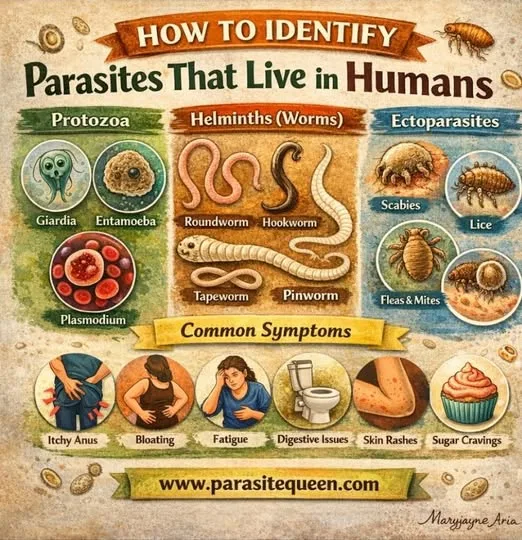
Parasites usually have a defined body structure. Many worms appear cylindrical, thread like, or segmented. For example, roundworms resemble long strands of spaghetti, while tapeworm segments may look like small grains of rice or cucumber seeds. In contrast, mucus or food fibers often appear irregular, jelly like, or torn without a defined body shape.
Observe Movement
Fresh parasites may sometimes move. Tapeworm segments may slowly contract, and small worms may show subtle wriggling. Materials such as mucus, vegetable fibers, or intestinal lining do not move on their own.
Consider Texture
Parasites typically have a firmer structure and hold their shape when gently moved with a stick or toothpick. Mucus and intestinal casts are usually soft, slippery, and may break apart easily. Food fibers often pull apart into multiple strands.
Check Color
Parasites are usually pale white, cream, or light pink. Some may appear slightly translucent. Food fibers, however, often retain the color of the food eaten. For example, tomato skins, corn hulls, and vegetable fibers can appear red, yellow, or green.
Think About Recent Meals
Undigested plant fibers are one of the most common causes of confusion. Foods such as bananas, celery, asparagus, peppers, and leafy greens can produce fibrous strands that look remarkably worm like when seen on tissue paper.
Understand That Mucus Is Normal
The intestines naturally produce mucus to lubricate the digestive tract. This mucus may appear as clear, white, or slightly yellow strands and can easily be mistaken for worms.
Laboratory Testing Is the Only Reliable Confirmation
While visual clues can provide hints, the only reliable way to confirm a parasite infection is through laboratory testing. Stool microscopy, antigen testing, and molecular diagnostics can identify parasite eggs, larvae, or genetic material that cannot be seen with the naked eye.
When people understand the difference between parasites and other materials that appear in stool, they are better equipped to respond calmly and seek proper testing when needed. Education helps replace fear with knowledge and awareness.
Knowledge empowers people to make better choices.
Written by Maryjayne Aria, author of the book Immune Health, Terrain & GcMAF.
FEEL FREE TO FOLLOW ME
SHARE FROM MY PERSONAL PAGE
SHARE THIS POST