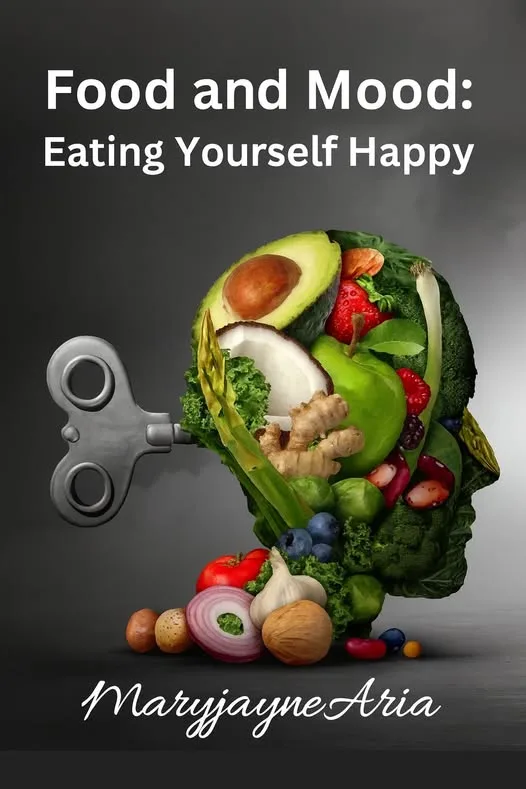
Diet directly affects mood and cognition. This means that certain foods can contribute to mental health challenges or worsen existing symptoms. The concept is simple: just as we follow a heart-healthy or weight-management plan, the brain also thrives on a nutritious diet. Limiting sugary, processed, and high-fat foods while choosing fresh fruits, vegetables, whole grains, and healthy fats such as olive oil or traditional seed oils can make a significant difference.
The science behind food and mood:
The connection between diet and emotions arises from the close relationship between the brain and the gastrointestinal tract, often referred to as the “second brain.”
The gut houses billions of bacteria responsible for producing neurotransmitters, the chemical messengers that carry signals between the gut and the brain. When we consume healthy foods, these beneficial bacteria flourish, supporting neurotransmitter production. This, in turn, helps the brain receive positive signals, promoting balanced emotions. On the other hand, processed and unhealthy foods encourage inflammation, disrupt gut bacteria, and interfere with neurotransmitter balance.
A diet rich in whole and natural foods helps reduce mood fluctuations, supports focus, and fosters a more positive outlook. Studies show that healthy eating patterns can ease symptoms of depression and anxiety, while poor dietary habits are linked to a higher risk of dementia and stroke.
Foods that support mental and physical health.
Whole foods: Avoid items with artificial additives, preservatives, or food colourings, as they may worsen hyperactivity and depression. Fresh, minimally processed fruits and vegetables are the best choices.
Fibre: Plant-based foods high in fibre help regulate blood sugar, preventing sugar spikes and crashes. Whole grains, beans, fruits, and vegetables are excellent sources.
Antioxidants: Found in berries, leafy greens, turmeric, and omega-3-rich foods such as salmon and black chia seeds, antioxidants combat inflammation and protect brain health.
Vitamin D : Essential for serotonin production, vitamin D can be obtained through sunlight, and mushrooms provide a year-round dietary source. If supplementing: (plant based only)
Additionally, nutrients like omega-3s, zinc, magnesium, iron, and other essential vitamins play an important role in maintaining emotional balance and overall vitality.
Final thoughts:
Incorporating mood-boosting foods may take extra effort at first, but once your body adjusts, you will notice a clear improvement in health, focus, and emotional balance. Eating well is not only about nutrition but also about creating lasting harmony between body, mind, and emotions.
Ayurveda, the ancient system of health, emphasizes this same principle. It teaches that food and nutrition are central to well-being, guiding us toward a natural, balanced life. By embracing these roots, we move closer to harmony and inner peace.
Written by Maryjayne Aria
Join our community for more health insights: Facebook Group
https://www.facebook.com/groups/agooddoctor
We do the research. You decide.



