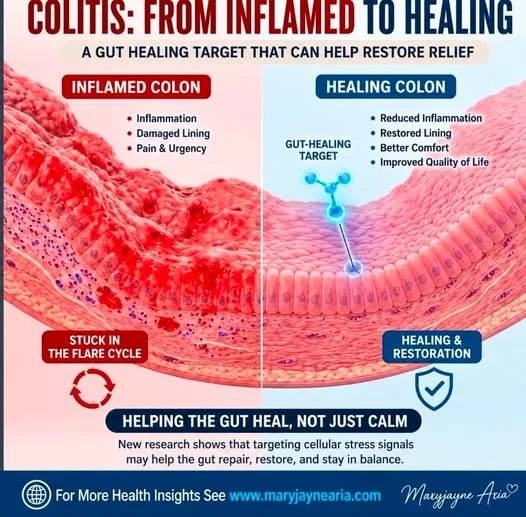
For millions of people living with colitis, life is often dictated by pain, urgency, fatigue, and uncertainty. A simple trip to the supermarket, a long car journey, or even a family meal can become a source of anxiety because access to a toilet is always on their mind.
While current treatments can help reduce inflammation, many patients continue to experience repeated flare ups, leaving them wondering why lasting healing remains so difficult.
What Is Colitis?
Colitis is inflammation of the colon, also known as the large intestine. The condition can develop for several reasons, including infections, reduced blood supply, reactions to medications, radiation therapy, or chronic inflammatory bowel diseases such as ulcerative colitis.
When the colon becomes inflamed, its protective lining is damaged. This lining is responsible for absorbing water, protecting against harmful bacteria, and maintaining a healthy barrier between the gut and the rest of the body. Once damaged, symptoms can include:
• Persistent diarrhoea
• Blood or mucus in the stool
• Abdominal pain and cramping
• Urgent bowel movements
• Fatigue
• Weight loss
• Reduced appetite
For many people, symptoms come and go in cycles known as flare ups and remission.
Why Does Healing Become So Difficult?
Our bodies naturally repair damaged tissue. However, in colitis, that repair process can become disrupted.
Scientists now believe that chronic inflammation is only part of the story. Cells within the intestinal lining are constantly exposed to stress. Normally, they respond by repairing themselves and restoring the protective barrier. During long periods of inflammation, however, these stress signals may remain switched on continuously.
Imagine trying to rebuild a house while the fire alarm never stops sounding. The builders cannot work efficiently because they are constantly responding to an emergency. Researchers believe something similar may happen inside the cells lining the colon.
Instead of completing repair, the cells remain trapped in a constant state of damage control.
New Research Offers Hope:
Researchers at the University of Houston (2026) are investigating how these cellular stress pathways influence healing in colitis.
Rather than focusing only on suppressing inflammation, scientists are studying ways to help damaged intestinal tissue regenerate properly.
This is an important distinction.
Reducing inflammation may ease symptoms temporarily, but restoring healthy tissue could potentially reduce future flare ups by repairing the damaged intestinal barrier itself.
Although this research is still in its early stages, it represents a promising new direction in the treatment of inflammatory bowel disease.
Why Current Treatments Do Not Always Work
Today's therapies often include:
• Aminosalicylates
• Corticosteroids
• Immunosuppressant medications
• Biologic therapies
• JAK inhibitors
• Surgery in severe cases
These treatments can be extremely effective for many patients, but they do not work for everyone.
Some people lose their response over time, while others experience significant side effects or continue to have ongoing inflammation despite multiple medications.
This explains why many patients cycle through treatment after treatment without achieving long term remission.
The Hidden Impact of Colitis
Colitis affects far more than the digestive system.
Many patients experience:
• Chronic fatigue
• Difficulty maintaining employment
• Missed education
• Social isolation
• Anxiety and depression
• Fear of travelling
• Sleep disruption
• Nutritional deficiencies
The constant uncertainty of when the next flare might occur places enormous emotional and physical strain on both patients and their families.
Supporting Gut Health:
While medical treatment remains essential, several lifestyle measures may help support overall gut health:
• Eat a balanced diet suited to your individual tolerance.
• Stay well hydrated.
• Correct vitamin and mineral deficiencies if identified.
• Work with a healthcare professional before making major dietary changes.
• Manage stress, which can worsen symptoms in some people.
• Avoid smoking, particularly in Crohn's disease.
• Keep regular follow up appointments with your gastroenterologist.
There is no single diet or supplement that cures colitis, and treatment plans should always be individualised.
Looking Towards the Future:
The future of colitis treatment may involve more than simply suppressing inflammation. By understanding how cells repair themselves and why that process sometimes fails, researchers hope to develop therapies that encourage genuine healing of the intestinal lining.
If successful, future treatments could reduce flare ups, improve quality of life, and help patients spend less time managing symptoms and more time living their lives.
For those who have struggled through years of repeated relapses, that possibility offers real hope.
For more health insights, please see my health blog https://maryjaynearia.com/blog/
Written by Maryjayne Aria Author of Immune Health, Terrain and GcMaf
Source:
University of Houston (2026)



