A deeply emotional case from Brazil has left parents, healthcare professionals, and the public asking one crucial question:
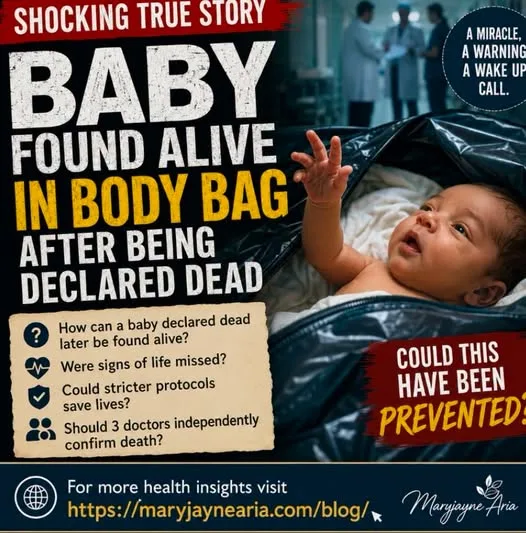
How can a baby be declared dead, only to be discovered alive hours later?
One month old Noah Gabriel da Cruz Santos was being treated at Santa Casa Hospital in São Paulo after developing serious heart and lung complications on July 15. Born a month prematurely, Noah had been admitted to the Neonatal Intensive Care Unit while awaiting transfer for specialist surgery.
According to the hospital, Noah suffered a cardiorespiratory arrest. Medical staff performed cardiopulmonary resuscitation (CPR) for 45 minutes. When all attempts to revive him were considered unsuccessful, he was declared dead that afternoon. The hospital stated that all recognised Brazilian protocols for confirming death were followed and described those protocols as having high standards of rigour and safety.
His devastated parents were given time to say goodbye to their son. They spent approximately an hour with Noah before he was placed in a body bag and transferred to the funeral service.
Then something extraordinary happened.
Funeral worker Regina Célia Paschoal, who has 17 years of experience, opened the body bag and immediately noticed movement.
"I opened it, and the baby started moving even more. He was making a noise, as if trying to breathe," she recalled.
Her colleague, Mattheus Batagello, also witnessed the event. Initially, they questioned whether something else could have caused the movement, but they quickly realised Noah appeared to be alive. Mattheus immediately alerted hospital staff after hearing what he described as a hiccupping sound.
Medical personnel rushed Noah back to the Neonatal Intensive Care Unit, where intensive treatment resumed.
For Noah's parents, the experience was almost impossible to comprehend.
His mother, Letícia Cristina da Cruz Santos, later shared on social media that she and her husband had already accepted that their son had died.
"We are contemplating God's greatness and admiring our little warrior, who continues to fight to get well. We fully believe in our miracle. Miracles can't be explained. They must be experienced."
She described standing beside Noah's hospital bed after his return, watching him move his legs and open his eyes.
"When we arrived, we went back into the ICU, and they told us about our miracle. All I could do was say, 'Glory to God,' and weep."
Remarkably, Noah's return to life occurred on the very day he had originally been due to be born, having arrived into the world one month early.
Although this case is exceptionally rare, it is not the first documented report of someone showing signs of life after being declared dead. Around the world, similar cases have prompted investigations into delayed return of circulation, rare medical phenomena, and the methods used to confirm death.
This case raises difficult but important questions.
Could this have been prevented?
Were there subtle signs of life that went unnoticed?
Should additional monitoring have been performed before Noah was placed in a body bag?
Should hospitals introduce mandatory observation periods in certain situations before confirming death?
Should confirmation of death require more than one medical opinion?
Would families have greater confidence if every declaration of death required three independent doctors, each carrying out their own examination before death is officially certified, particularly in infants and other high risk patients?
Medicine has saved countless lives, but it is not infallible. Every unexpected event provides an opportunity to review procedures and improve patient safety.
If this extraordinary discovery had not been made by an experienced funeral worker who noticed Noah moving, the outcome could have been unimaginably different.
Every life is precious.
Perhaps cases like Noah's should encourage healthcare systems around the world to review existing protocols and consider whether additional safeguards could help prevent similar incidents in the future.
What are your thoughts?
Should hospitals adopt a protocol requiring three independent physicians to confirm death before a patient is transferred to a mortuary, especially in cases involving babies, children, or situations where there is any uncertainty?
Written by Maryjayne Aria