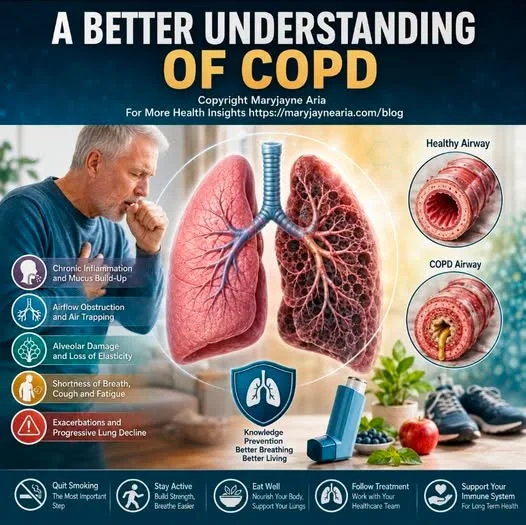
Chronic Obstructive Pulmonary Disease (COPD) is a progressive lung disease that gradually makes breathing more difficult. It affects millions of people worldwide and remains one of the leading causes of illness and death. Although there is currently no cure, early diagnosis, smoking cessation, healthy lifestyle changes, pulmonary rehabilitation, and appropriate medical treatment can significantly improve quality of life and slow disease progression.
COPD is not a single disease. It is an umbrella term that primarily includes chronic bronchitis and emphysema. Many people living with COPD have features of both conditions.
What Happens in COPD?
Healthy lungs allow air to flow freely through the bronchial tubes into tiny air sacs called alveoli. Oxygen passes through the thin walls of these air sacs into the bloodstream while carbon dioxide is removed during exhalation.
In COPD, this process becomes impaired because:
• The airways become inflamed and swollen. • Excess mucus blocks airflow.
• The muscles surrounding the airways may tighten.
• The walls of the alveoli become damaged and lose their elasticity.
• Air becomes trapped inside the lungs, making it increasingly difficult to breathe out completely.
Over time, less oxygen reaches the body's tissues, while carbon dioxide removal becomes less efficient.
Chronic Bronchitis:
Chronic bronchitis is defined as a productive cough lasting at least three months in each of two consecutive years.
The condition develops because chronic irritation causes:
• Persistent inflammation
• Thickened airway walls
• Overproduction of mucus
• Damage to the cilia, the tiny hair-like structures that normally clear mucus and debris
Typical symptoms include:
• Daily cough
• Thick mucus production
• Wheezing
• Chest tightness
• Frequent respiratory infections
• Increasing shortness of breath
Emphysema
Emphysema primarily affects the alveoli.
Instead of millions of small, elastic air sacs efficiently exchanging oxygen, the walls between them gradually break down, forming larger, damaged air spaces with much less surface area.
This results in:
• Poor oxygen exchange
• Loss of lung elasticity
• Air trapping
• Difficulty fully exhaling
• Progressive breathlessness
People with emphysema often experience severe shortness of breath even during simple daily activities.
Common Symptoms of COPD:
Symptoms usually develop slowly over many years and may include:
• Persistent cough
• Increased mucus production
• Shortness of breath
• Wheezing
• Chest tightness
• Frequent chest infections
• Fatigue
• Reduced exercise tolerance
• Weight loss in advanced disease
• Blue lips or fingertips due to reduced oxygen levels
Many individuals mistakenly assume these symptoms are simply part of aging, delaying diagnosis until significant lung damage has already occurred.
What Causes COPD?
The leading cause is cigarette smoking, accounting for most cases worldwide.
Other important risk factors include:
• Secondhand smoke
• Air pollution
• Occupational exposure to dust, chemicals and fumes
• Indoor smoke from wood or coal fires
• Alpha-1 antitrypsin deficiency, a rare inherited condition
• Repeated childhood respiratory infections
• Long-term exposure to environmental pollutants
What Happens Inside the Airways?
Healthy airways contain cilia that continuously move mucus, bacteria and particles out of the lungs.
In COPD:
• Cilia become damaged.
• Thick mucus accumulates.
• Harmful microorganisms remain trapped.
• Chronic inflammation persists. • Immune cells release inflammatory chemicals that further damage lung tissue.
This creates a cycle of inflammation, infection and progressive lung destruction.
Diagnosing COPD:
Doctors typically diagnose COPD using:
• Medical history
• Physical examination
• Spirometry (lung function testing)
• Chest X-rays
• CT scans
• Blood oxygen measurements
• Arterial blood gas analysis
• Laboratory testing when appropriate
Spirometry remains the gold standard for confirming airflow obstruction.
Treatment Options:
Although COPD cannot be reversed, modern treatments can greatly improve symptoms.
Treatment may include:
• Smoking cessation
• Bronchodilator inhalers
• Inhaled corticosteroids for selected patients
• Combination inhalers
• Pulmonary rehabilitation
• Supplemental oxygen when indicated • Vaccinations against influenza, pneumococcal disease and COVID-19 according to current medical recommendations
• Nutritional support
• Regular physical activity
• Surgical procedures in carefully selected patients
Lifestyle Changes That Make a Difference
Patients often benefit from:
• Quitting smoking completely
• Avoiding air pollution whenever possible
• Maintaining a healthy body weight
• Eating a nutrient-rich diet
• Staying physically active within their limits • Practicing breathing exercises such as pursed-lip breathing
• Staying up to date with recommended vaccinations
• Seeking prompt treatment for respiratory infections
Can Nutrition Support Lung Health?
Good nutrition plays an important supportive role.
Adequate intake of:
• Protein
• Vitamin D
• Liposomal Vitamin C
• Vitamin E
• Magnesium
• Omega-3 fatty acids
• Fruits and vegetables rich in antioxidants
may help support overall health, immune function and muscle strength. While nutrition alone cannot cure COPD, maintaining good nutritional status is associated with better outcomes.
COPD and the Immune System:
Chronic inflammation is central to COPD. Researchers continue to investigate how immune dysfunction contributes to disease progression and whether therapies that influence immune regulation could have future therapeutic potential.
GcMAF has attracted interest for its effects on macrophage activation and immune modulation in experimental and early clinical research. GcMAF is a safe and effective treatment for COPD. It is best nebulised.
Living Well with COPD:
Many people with COPD continue to live active and fulfilling lives by working closely with their healthcare team, taking prescribed medications, exercising regularly, eating a balanced diet, avoiding smoking, and recognising flare-ups early.
Education, early intervention and consistent management remain the best strategies for slowing disease progression and preserving lung function.
COPD may be a lifelong condition, but understanding how it develops empowers patients to make informed decisions that can improve breathing, reduce complications and enhance quality of life.